Reading a Mountain View: Small Details That Make a Short Hike Memorable
A mountain view can be impressive in the first few seconds and then become strangely hard to remember. The eye takes in the whole scene at once, while memory often keeps only a vague impression of “big hills” or “good weather.” Slowing down to notice a few specific details gives a short walk more shape without turning it into a serious expedition.
Look for layers before landmarks
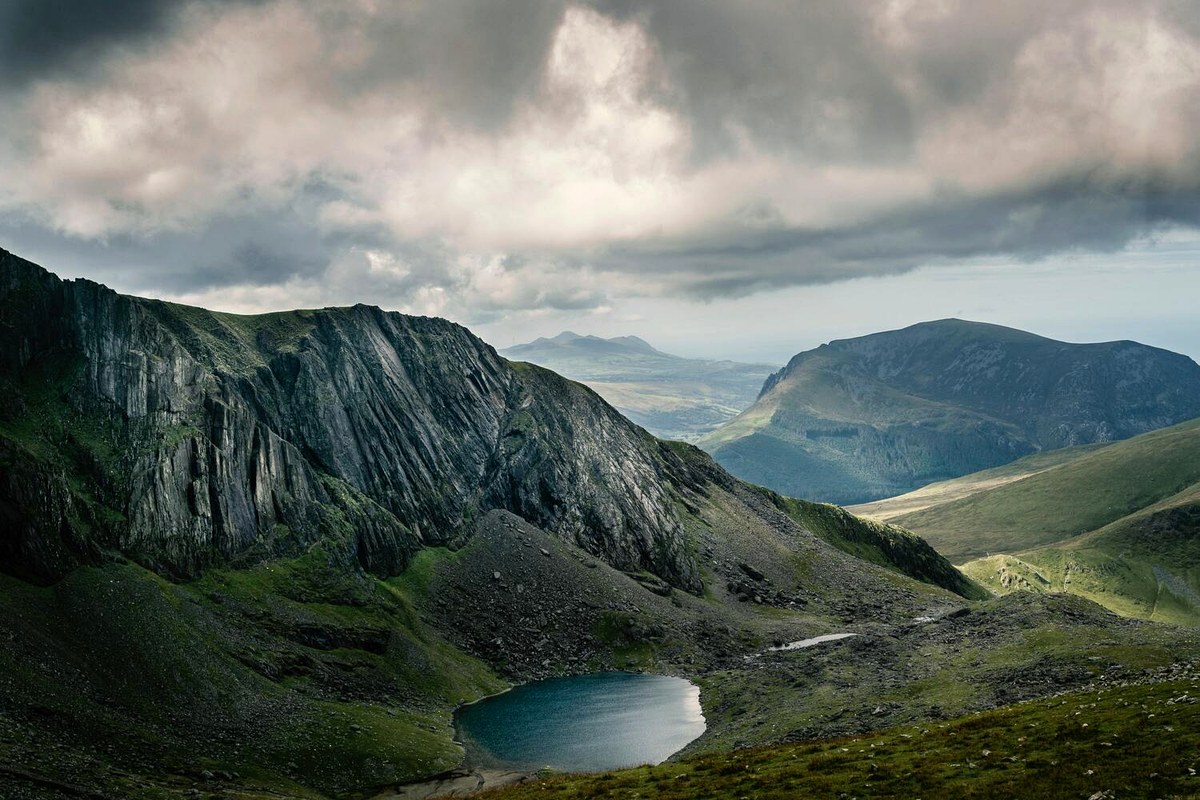
Instead of immediately trying to identify every peak, separate the landscape into near, middle, and far distance. The nearest slope may show grass, rock, fences, or individual trees. The middle distance often reveals ridges and valleys. The farthest shapes may be softened by haze and light.
This layered view makes the landscape easier to understand and can help when taking photographs because you begin to see depth rather than a single wall of scenery.
Watch how the path explains the terrain
A path is a useful visual clue. Notice where it bends, where it becomes steeper, and whether it follows a ridge, crosses a slope, or drops toward water. Even if you are only walking a short section, the route tells you something about how people move through the land.
Old stone edges, worn grass, gates, bridges, and small trail repairs can be as interesting as the final viewpoint. They show the practical relationship between the landscape and the people who use it.
Give the weather a role
Cloud is not automatically bad hiking weather for observation. Moving cloud can create alternating bands of light and shadow that reveal the shape of ridges more clearly than flat sunshine. Mist may hide a distant peak but make the closer landscape feel more textured.
Notice wind as well: the direction of moving grass, the sound near exposed rocks, or the difference between a sheltered hollow and an open ridge. These details are difficult to capture in a photograph, which makes them worth remembering deliberately.
Stop once before the “best” viewpoint
It is easy to treat a walk as transport to the main lookout. Try stopping earlier for a minute or two. Face back toward the route you have already walked. Often the reverse view is quieter and more revealing because it includes the path, the change in elevation, and the smaller details you passed on the way up.
Take fewer photographs, but vary the scale
If you bring a camera or phone, make three different kinds of picture: one wide landscape, one middle-distance scene with a path or ridge, and one close detail such as rock, grass, water, or a trail marker. This small set usually tells the story of the walk better than twenty nearly identical panoramas.
Leave with one precise memory
Before heading back, choose one thing you want to remember: the shape of a valley, a patch of sunlight moving across a slope, the sound of water, or the way the far ridge disappeared into cloud. Naming one detail gives the outing an anchor.
A short mountain walk does not need a checklist of summits. A few careful observations can make an ordinary viewpoint feel specific, textured, and worth returning to in another season.